Skip to content

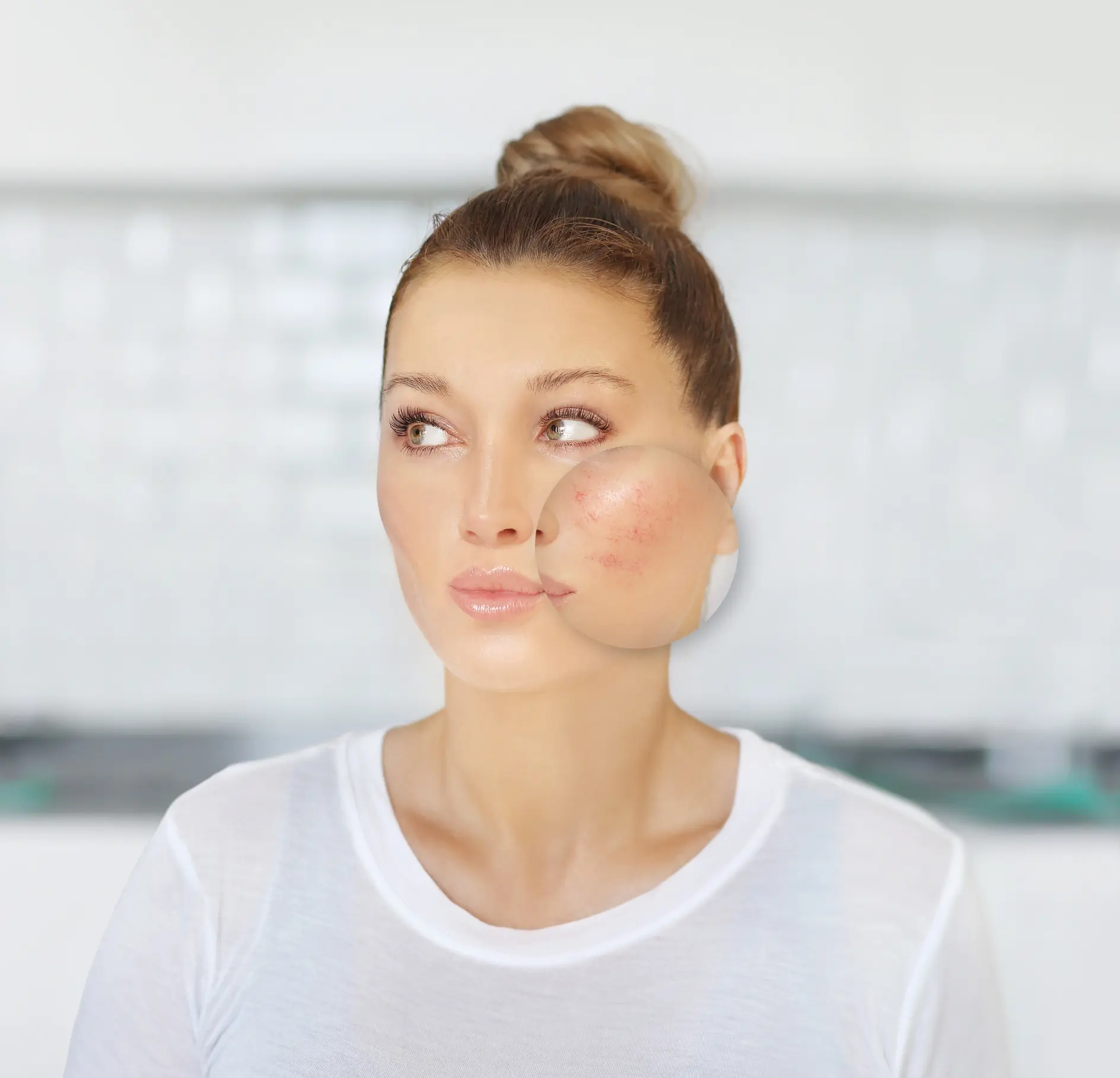
Table of Contents
If you have caught yourself in the mirror wondering why your cheeks look flushed again, you are not alone. Is it just sensitive skin reacting to the weather, or is it something more? Understanding Rosacea vs Facial Redness at Ivy Aesthetics and Laser Spa starts with knowing whether your redness fades on its own or keeps coming back. Let’s walk through it together.
How to Tell Rosacea vs Facial Redness Apart
Everyday facial redness clears once the trigger, like heat or exercise, passes. Rosacea lingers or keeps returning in the same central-face pattern, often with flushing, visible vessels, or small bumps.
What Facial Redness Actually Is
Facial redness is a symptom, not a diagnosis. Your skin flushes when blood vessels near the surface widen, and plenty of everyday things can set that off. Some of the most common facial redness causes are heat, exercise, spicy food, alcohol, cold wind, a warm room, a moment of embarrassment, or a skincare product that did not agree with you.
The key trait of everyday redness is that it fades. Once you cool down, step out of the sun, or stop using the product that irritated you, your skin settles back to its usual tone within minutes or hours. So the real question is not “am I red.” It is “does it go away.” That single distinction is where the whole conversation begins.
What Rosacea Is And How It Differs
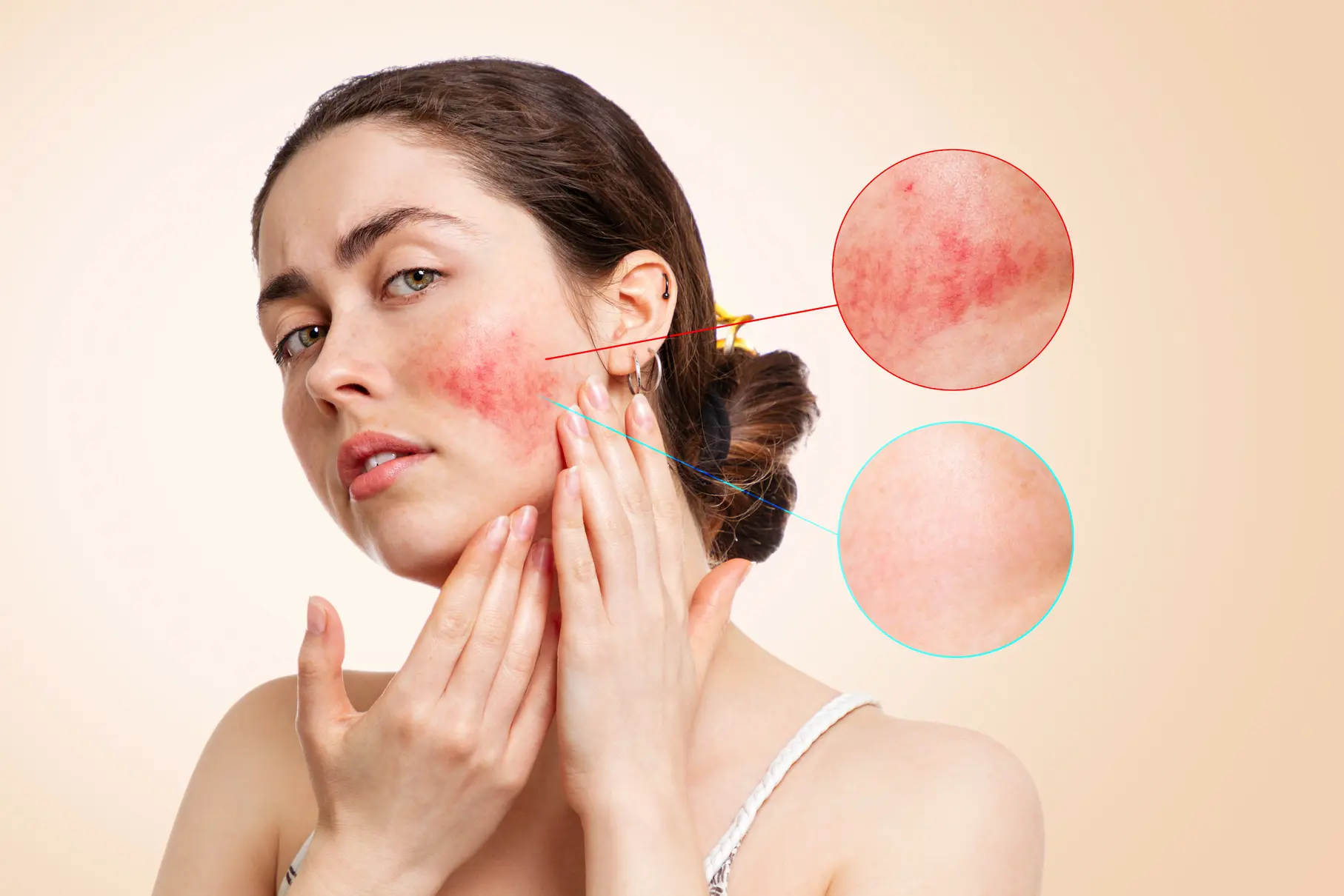
Rosacea is a chronic inflammatory skin condition, which means it is ongoing rather than a one-time reaction. Unlike a temporary flush that clears up, rosacea tends to settle into the central face, the cheeks, nose, chin, and forehead, and it either lingers or keeps returning in that same pattern.
Common rosacea symptoms go beyond color. Many people notice facial flushing that comes on easily and lasts longer than expected. Others develop small, visible blood vessels called telangiectasia, which are simply tiny vessels close to the skin’s surface that become easy to see.
Some people also get small red bumps that can look a bit like acne but are not the same thing. If your redness comes with any of these, it may point to rosacea rather than ordinary sensitivity.
How To Tell The Difference At Home
You cannot diagnose yourself, but you can learn to read your own skin. The simplest place to start is what we might call the “does it fade” test. Temporary redness resolves once the trigger is gone. Rosacea-related redness lingers, or it keeps coming back in the same spot no matter how careful you are.
Pattern and location matter too. Rosacea usually affects the central face and tends to be symmetrical, appearing on both cheeks rather than a single patch. A few other signs lean toward rosacea rather than everyday redness:
- Stinging or burning when you apply products that never used to bother you
- Visible blood vessels that stay put instead of fading
- Flushing episodes that feel more intense and take longer to calm down
- Small bumps mixed in with the redness
If several of these sound familiar, it is worth paying attention to them. Just remember that this self-check helps you understand what you are seeing. It does not replace a real evaluation, and only a qualified provider can actually diagnose rosacea.
What Triggers Each And Why It Matters
Here is where it gets tricky, because the triggers overlap. Heat, sun, and alcohol can worsen both ordinary redness and rosacea, so the trigger itself is not always the clue. The difference is in the response.
Irritated skin calms down. Rosacea-prone skin tends to react more strongly and recover more slowly, and over time, those flares can become the new normal rather than the exception. That is the tell.
Living in Memphis adds its own layer. Our humid summers, strong sun, and seasonal swings can all aggravate facial flushing and rosacea flares, especially if you spend time outdoors along the river or at a summer cookout.
None of that causes rosacea, but it can certainly stir it up. Keeping a simple log of when your skin flares and what you were doing beforehand can be genuinely useful, both for you and for a provider trying to tell reactive skin apart from a true rosacea pattern.
When Redness Is Worth Getting Checked
Most everyday redness does not need a clinic visit. There are a few signs, though, that are worth taking seriously. Redness that simply does not fade, visible vessels that stay put, persistent flushing, or bumps that you have been treating as acne without much luck are all reasons to have your skin looked at.
One thing people often miss is that rosacea can involve the eyes too. If you notice ongoing dryness, irritation, or a gritty feeling along with facial redness, mention it to a provider. It is a detail that matters.
How Persistent Redness And Rosacea Are Managed
Good news first. A lot of everyday redness responds well to gentle skincare, consistent sun protection, and knowing your triggers. When redness is persistent, or you are seeing visible vessels that will not settle, that is usually where in-office facial redness treatment comes in.
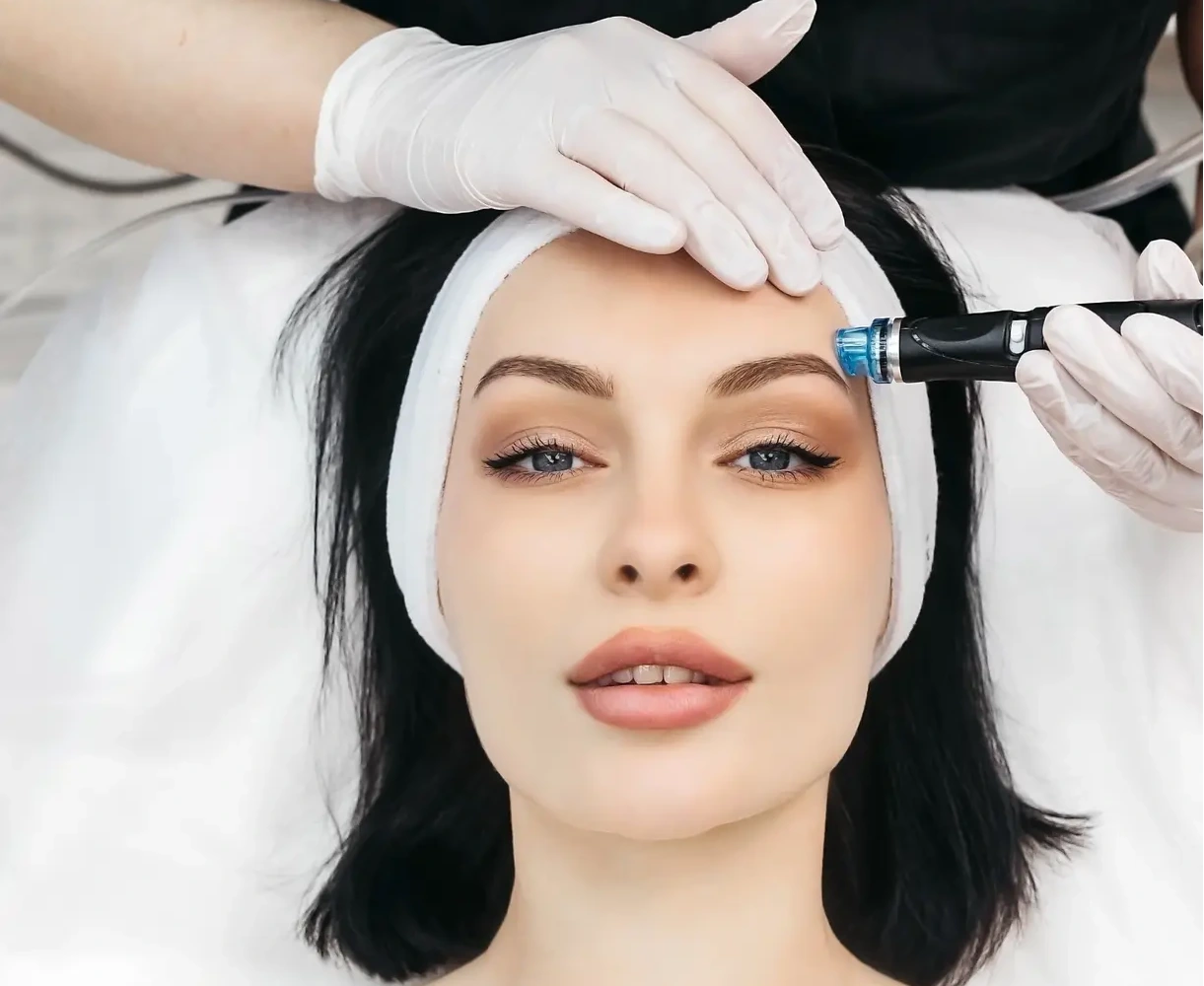
For stubborn redness and those visible vessels, vascular laser treatment targets the widened blood vessels directly, helping the skin look calmer and more even. At Ivy Aesthetics and Laser Spa, our vascular and pigment correction approach is designed for exactly these concerns, using Vascular Laser Treatment in Memphis, TN, to address visible vessels and lingering redness.
Whether a specific treatment is right for you depends on your skin type and your history, which is why a provider assesses that during a consultation. It helps to be honest about expectations.
Since rosacea is a chronic condition, the goal of any rosacea treatment is calmer, more even skin over time, not a permanent cure. Results vary from person to person, and a good plan is one built around your skin, not a one-size promise.
Common Questions
- Is rosacea just sensitive skin? Not quite. Sensitive skin reacts and recovers, while rosacea involves ongoing redness, flushing, and often visible vessels in a consistent central-face pattern.
- Can you have both rosacea and general redness? Yes. You can absolutely flush from heat or exercise and also have rosacea underneath, which is part of why telling them apart can be confusing.
- Does treating redness get rid of rosacea for good? No. Treatment can beautifully reduce visible redness and vessels, but rosacea is managed, so ongoing care keeps skin looking its best.
Glow Up Your Skin
At Ivy Aesthetics and Laser Spa, we help Memphis patients understand their skin and find calmer, more even results with care built around them. If persistent redness or rosacea has been wearing you down, we would love to help Find the Right Solution for Your Skin Today!