Skip to content

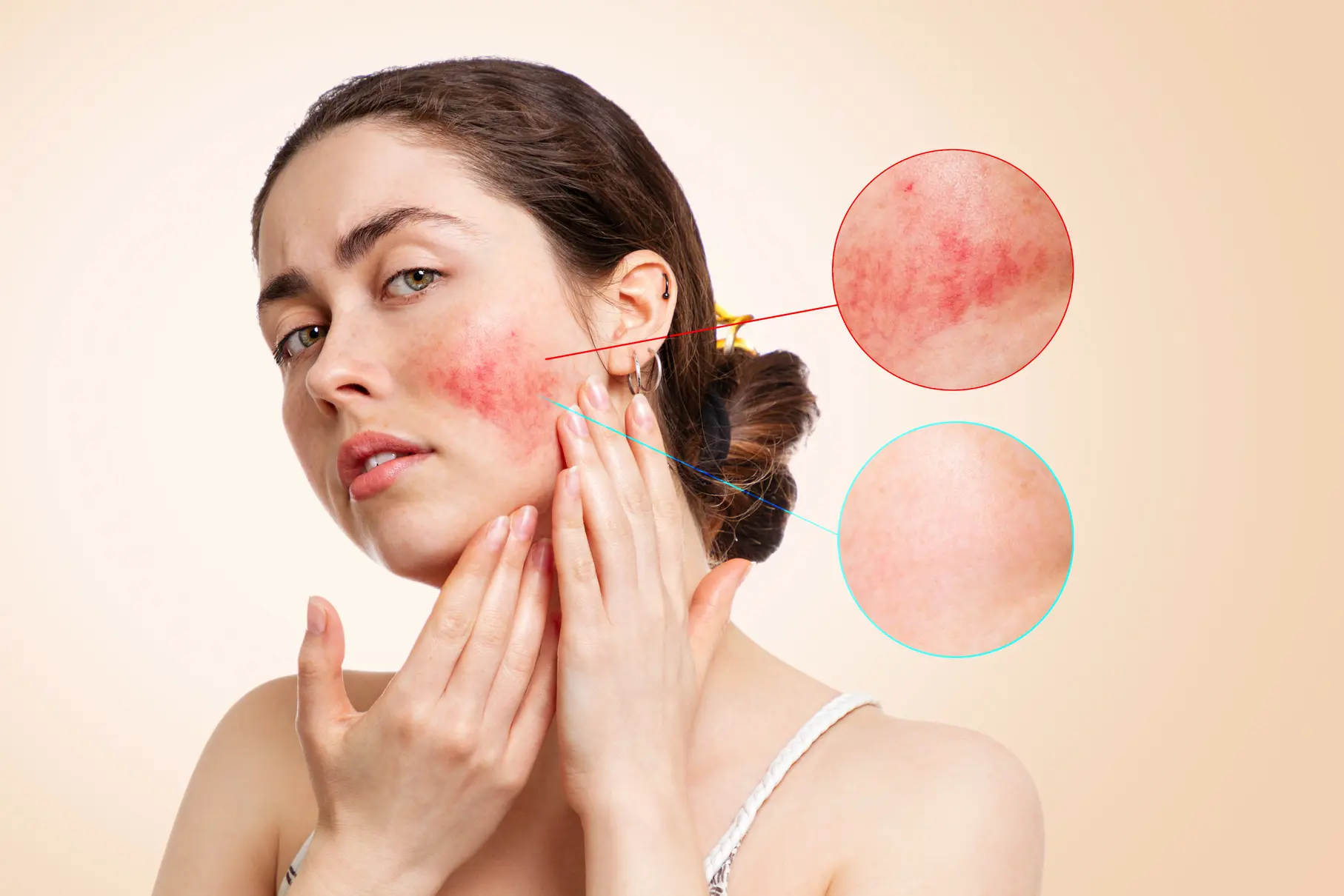
Table of Contents
Maybe you have watched the redness on your cheeks and nose get worse over the years. Maybe you have tried serum after serum on those tiny red lines, with nothing to show for it. Either way, you are not imagining the problem, and you do not have to live with it as is. Laser treatments go after the blood sitting inside those overactive facial vessels, which is what actually softens the redness and the flushing. The catch is that this manages rosacea rather than curing it.
At Ivy Aesthetics and Laser Spa, we offer laser skin treatment in Memphis, TN, for exactly these concerns. Here is how it works, what it can realistically improve, and what to keep in mind before you book.
Can broken capillaries and facial flushing actually be reduced with lasers?
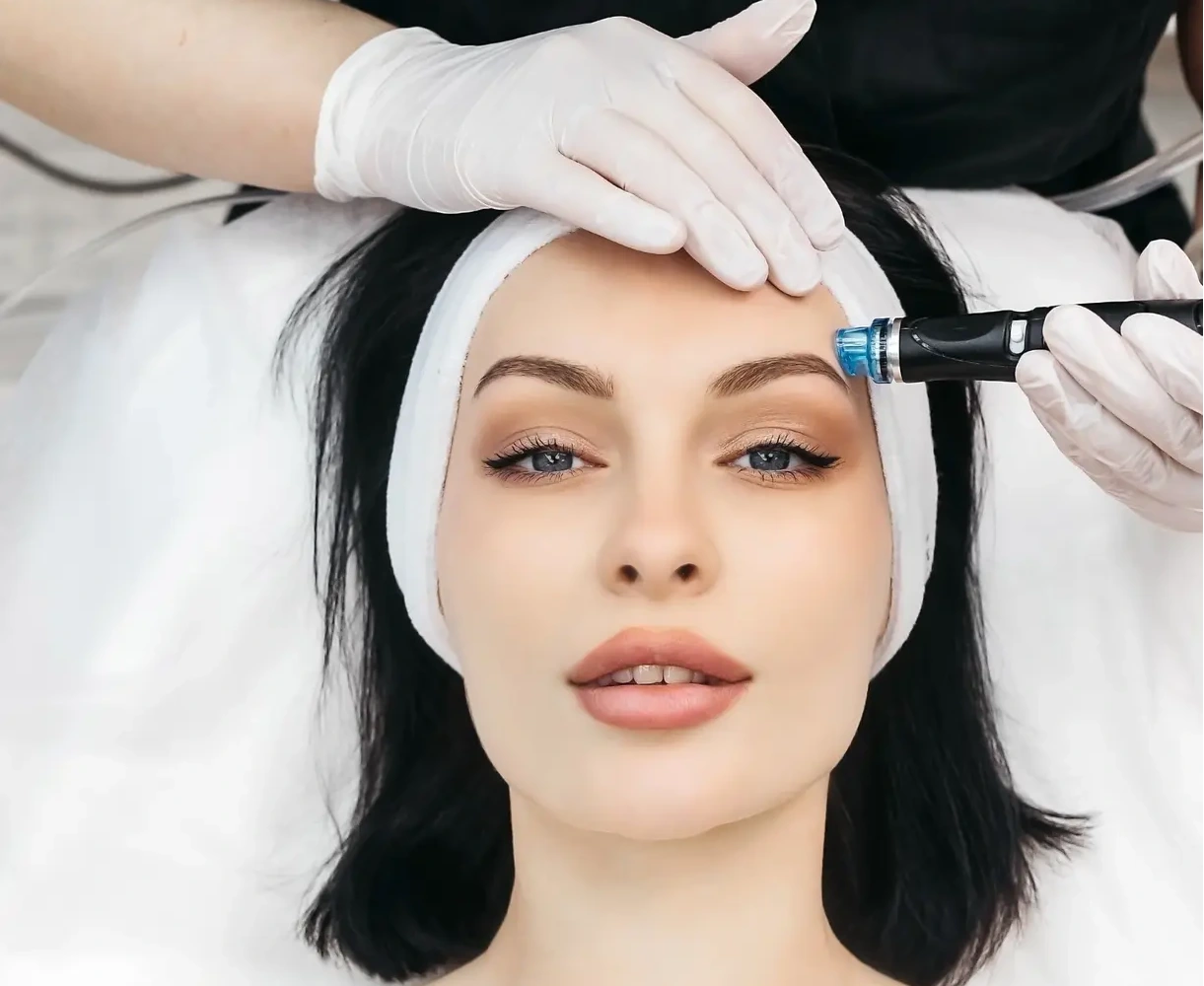
Yes, broken capillaries and facial flushing can be reduced without surgery using a vessel-targeting laser. A specific wavelength of light is absorbed by the hemoglobin in your blood, which heats the overactive vessel until it collapses, and your body then clears it away over the following weeks as blood reroutes into deeper, less visible vessels. This can soften diffuse redness, flushing, spider veins, and the broken vessels around the nose and cheeks, though it manages the visible vascular signs rather than curing rosacea or preventing future flare-ups.
What Rosacea and Visible Blood Vessels Actually Are
Rosacea goes deeper than the redness you see on the surface. The real issue is the tiny blood vessels in your face. Normally, they widen and then tighten back down, but with rosacea, they stay open. The longer they stay that way, the more visible they get through the skin. All that extra blood pooling near the surface is what keeps your cheeks and nose looking flushed.
Those visible marks usually have specific names. You might hear a provider mention:
- Broken capillaries
- Telangiectasias (small dilated vessels near the surface)
- Spider veins
- Diffuse redness from enlarged surface vessels
This matters because laser treatment for rosacea does not bleach your skin or cover anything up. It works on the actual vessels underneath. That is also why a facial redness treatment can help even when you do not see one clear vein, since much of rosacea redness is vascular activity rather than simple irritation.
How Laser Treatments Reduce Redness and Vessels
Lasers calm redness by heating the overactive vessels behind it until they collapse. There is a technical name for this, selective photothermolysis, but the idea is actually pretty simple:
- The laser sends out a specific wavelength of light
- The hemoglobin inside your red blood cells absorbs it
- The vessel heats up, and its wall is damaged
- The vessel collapses, and your body clears it away over the following days and weeks
After that, your body takes over. Blood gets rerouted into healthier vessels that sit deeper down, where you cannot really see them. That is the whole idea behind any laser treatment for visible blood vessels. The blood is the target, and the skin around it is mostly left alone.
Why Wavelength and Cooling Matter for Rosacea Skin
The right wavelength and good cooling are what make laser treatment both effective and comfortable on reactive rosacea skin. At our Memphis practice, we use the Motus AZ+ platform, which combines two wavelengths, a 1064 nm Nd:YAG and a 755 nm Alexandrite. For rosacea and visible facial vessels, the 1064 nm Nd:YAG is usually the workhorse, because it reaches deeper than many older vascular lasers. That depth matters, since the vessels driving widespread flushing are not always sitting right on the surface.
Two features make this platform especially suited to sensitive skin:
- Moveo Technology. Instead of stronger stamped pulses, the handpiece glides continuously over the skin and builds heat gradually through repeated passes. Rosacea skin is heat-sensitive and quick to react, so a gentler, more even delivery is easier to tolerate.
- Contact Sapphire Cooling. A cooled sapphire tip protects the skin surface while the laser heats the vessels underneath, reducing discomfort and supporting safer treatment across a wider range of Fitzpatrick skin types.
Your provider assesses your skin tone during consultation to confirm the right approach for you.
What Laser Treatment Can Improve and What It Will Not
A rosacea laser treatment can soften the visible vascular signs of rosacea, but it does not erase the condition itself. Being clear about both sides is the only honest way to answer whether it can help.
On the helpful side, this kind of treatment may reduce:
- Diffuse facial redness and flushing
- Visible capillaries and spider veins
- Broken vessels around the nose and cheeks
The important caveat is that rosacea is a chronic condition. Broken capillary treatment and vessel-focused lasers improve what you can see, but they do not stop rosacea from existing or prevent future flare-ups. Triggers like heat, sun, alcohol, or stress can still set off redness later. Results also vary from person to person. Smaller surface vessels often respond faster, while deeper diffuse redness can take more time and patience.
What Results Tend to Look Like Over Time
Results from laser treatment build gradually rather than appearing overnight. Because facial vessels vary in size and depth, most people need a series of sessions rather than a single visit. Many clinics, including ours, commonly recommend somewhere in the range of two to four or more sessions, spaced several weeks apart. Improvement accumulates as your body clears the treated vessels between appointments.
Do not be surprised if your skin reacts a little once the session wraps up. Some redness, a bit of warmth, maybe slight swelling or some darkening where the laser worked, all of that is normal and fades on its own. The good part is that, compared to the harsher vascular lasers, most people barely deal with any downtime.
Who Tends to Consider This Treatment
If you have already thrown creams and serums at the problem and the redness just keeps showing up, this is probably where a laser starts to make sense. Same story if you have visible capillaries or flushing that nothing topical has touched. Honestly, a lot of people searching for a laser for spider veins on the face land in this exact spot.
Here is why the consultation is not just a formality. The settings have to be matched to you, not pulled off a chart. Your provider factors in your skin tone, how deep and how big the vessels are, your rosacea subtype, and how sensitive your skin is. Good equipment helps, but skill is what makes the difference. The result comes down to a provider who knows how to fit the treatment to your skin.
Ready to See Calmer, Clearer Skin?
If rosacea or those stubborn red vessels have worn down your patience, you do not have to keep waiting it out. LaToya Morris at Ivy Aesthetics and Laser Spa would be glad to take a look, talk through what is realistic for your skin, and help you decide whether laser skin treatment is the right next step. Book Your Laser Skin Treatment Consultation Today with us in Memphis, TN, and let’s figure it out together.